
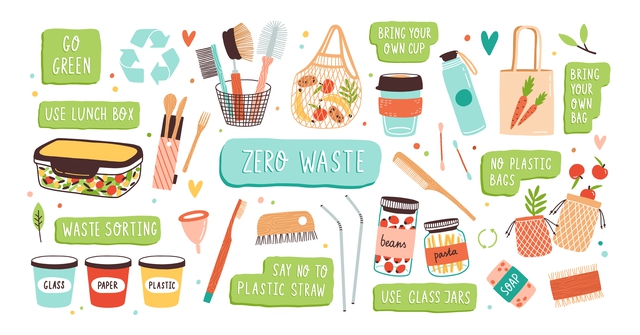
Why Reuse?
Reusing waste is similar to reducing waste in the sense that if you reuse an item then you are reducing the amount of waste that goes to a landfill or incinerator. However, the methods of reusing waste may differ from how you reduce waste. Most commonly today, the reuse of many household items into items used for other purposes is considered upcycling. These items are very popular, especially on internet sites like Etsy.
Here are some examples of how to reuse items:

Donation
When we simply don't want something, it is more than likely that someone could use it, so we should donate these items!
Examples:
- Salvation Army
- Urban Mission
- Any Other Charitable Organizations
- Family & Friend Hand-Me-Downs
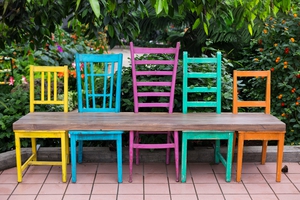
Upcycling
This is the creative usage of waste materials, byproducts, and unwanted things into brand-new products! Did you know that you could practically reuse anything unwanted to turn it into something new? With a bit of time and ingenuity, you can create new, desirable goodies! To see more information, click here.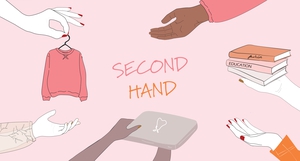
Buying Used Products
When we buy, we don't have to get the newest item every time. Sometimes used or refurbished products are cheaper and better!
Examples:
- Buying and Selling on Websites like Amazon, Craigslist, and eBay
- Buy from thrift stores for gently used items
- Things like clothes, books, tools, furniture, cars, and electronics are just as good used!
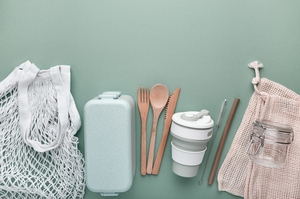
Buying Reusable Products
Single-use items are very wasteful as we can only use them once before discarding them. Thus, we need to put reusable items first on our list for sustainability!
Examples:
- Use reusable dishware instead of using plastic water bottles, disposable utensils, and paper or Styrofoam containers
- Use reusable bags instead of plastic bags
- Use reusable razors, diapers, towels, and other hygiene products instead of disposable ones